eng
Hotel Ristorante La Trigola is the perfect starting point to explore the wonders of Eastern Liguria and nearby Tuscany.
Thanks to our privileged location, you can easily reach the gems of the Gulf of Poets such as Lerici and Portovenere, or be enchanted by the breathtaking beauty of the Cinque Terre.
We are also close to the historic centers of Sarzana and Lunigiana—ideal destinations for those who love history, art, and authentic local flavors.
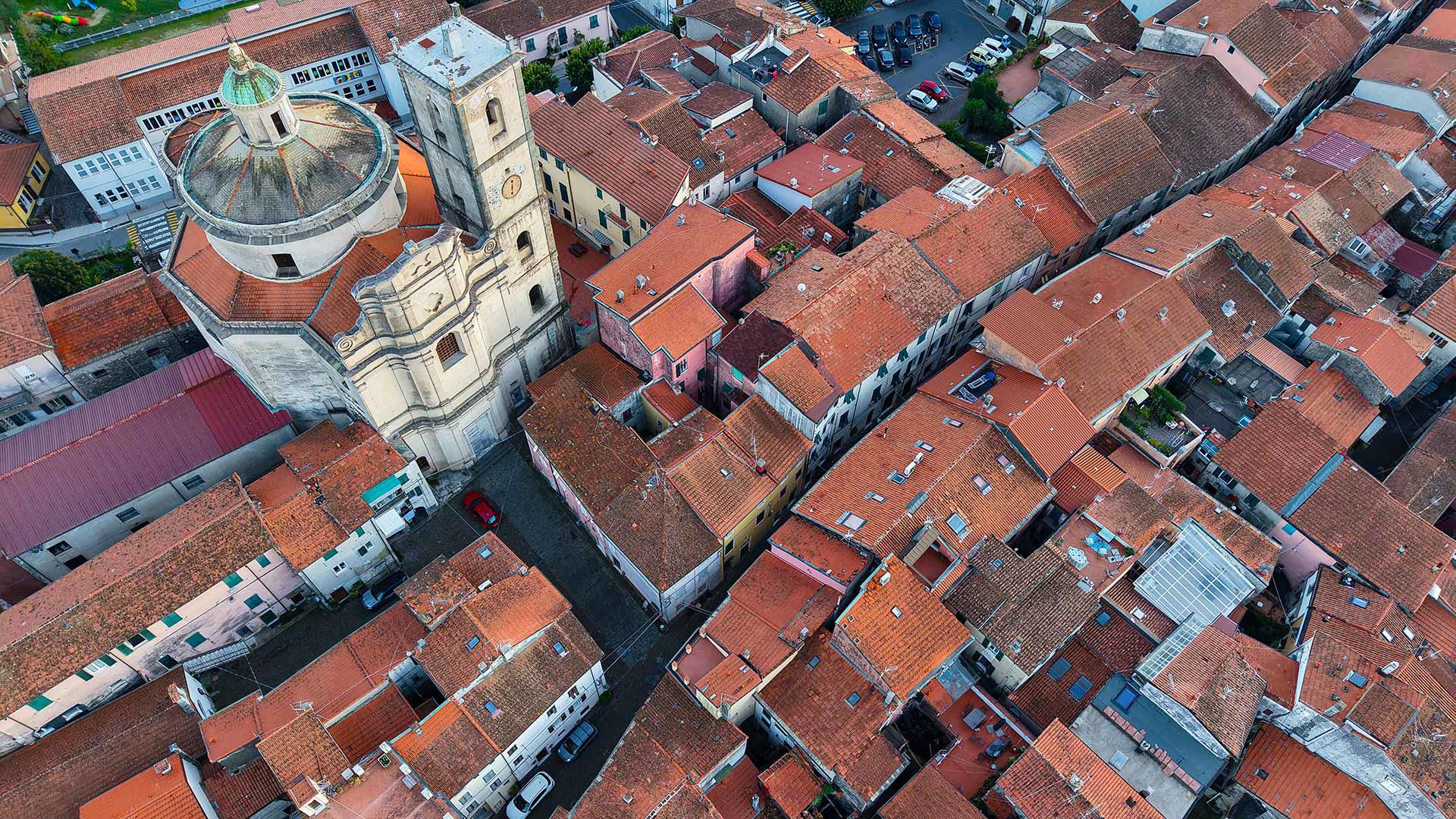
Reachable in just a few minutes from the hotel, it is an authentic medieval village offering a beautiful medieval terrace (from Palazzo Remedi) with views stretching from the Gulf of La Spezia to the Apuan Alps.
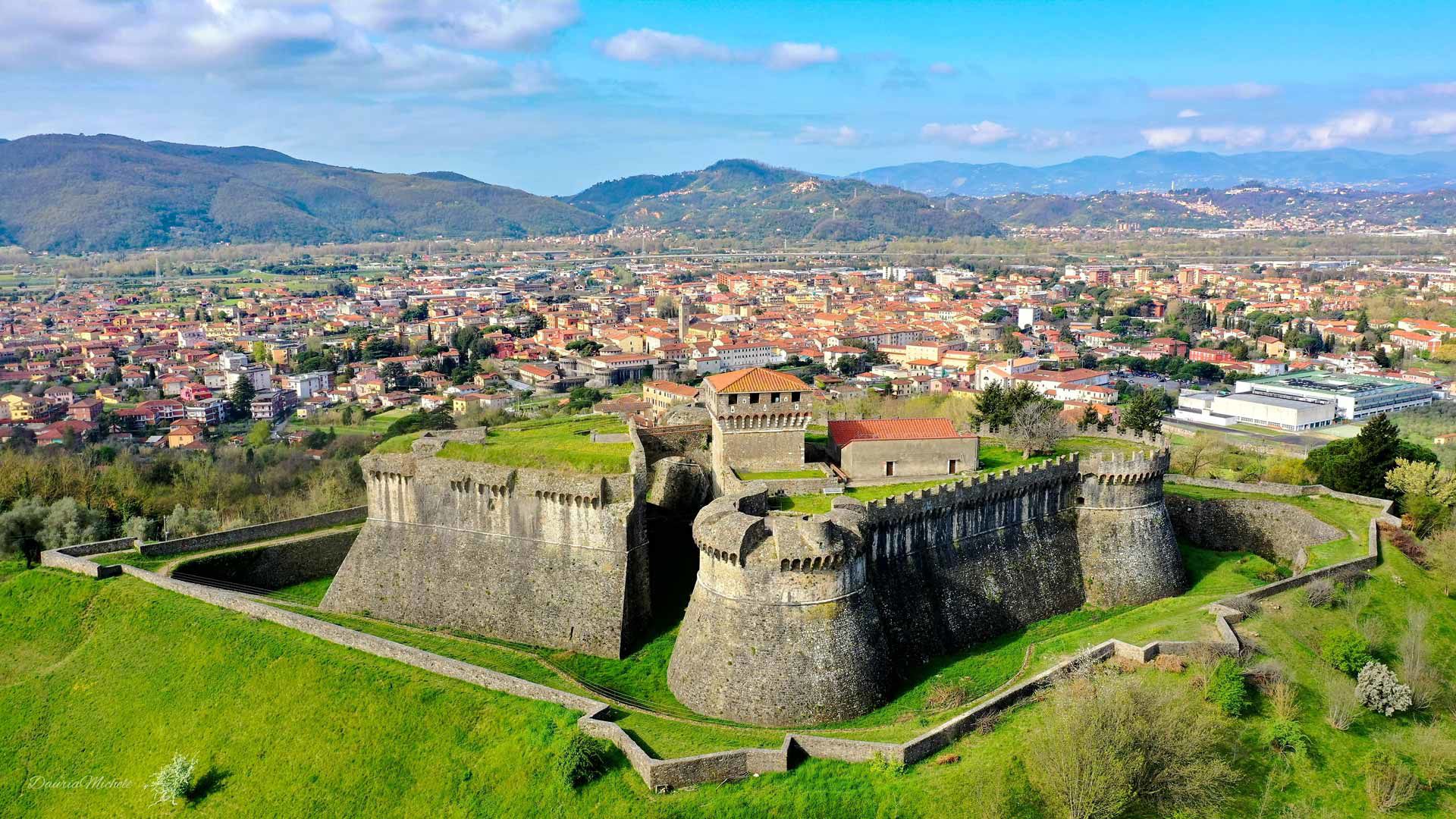
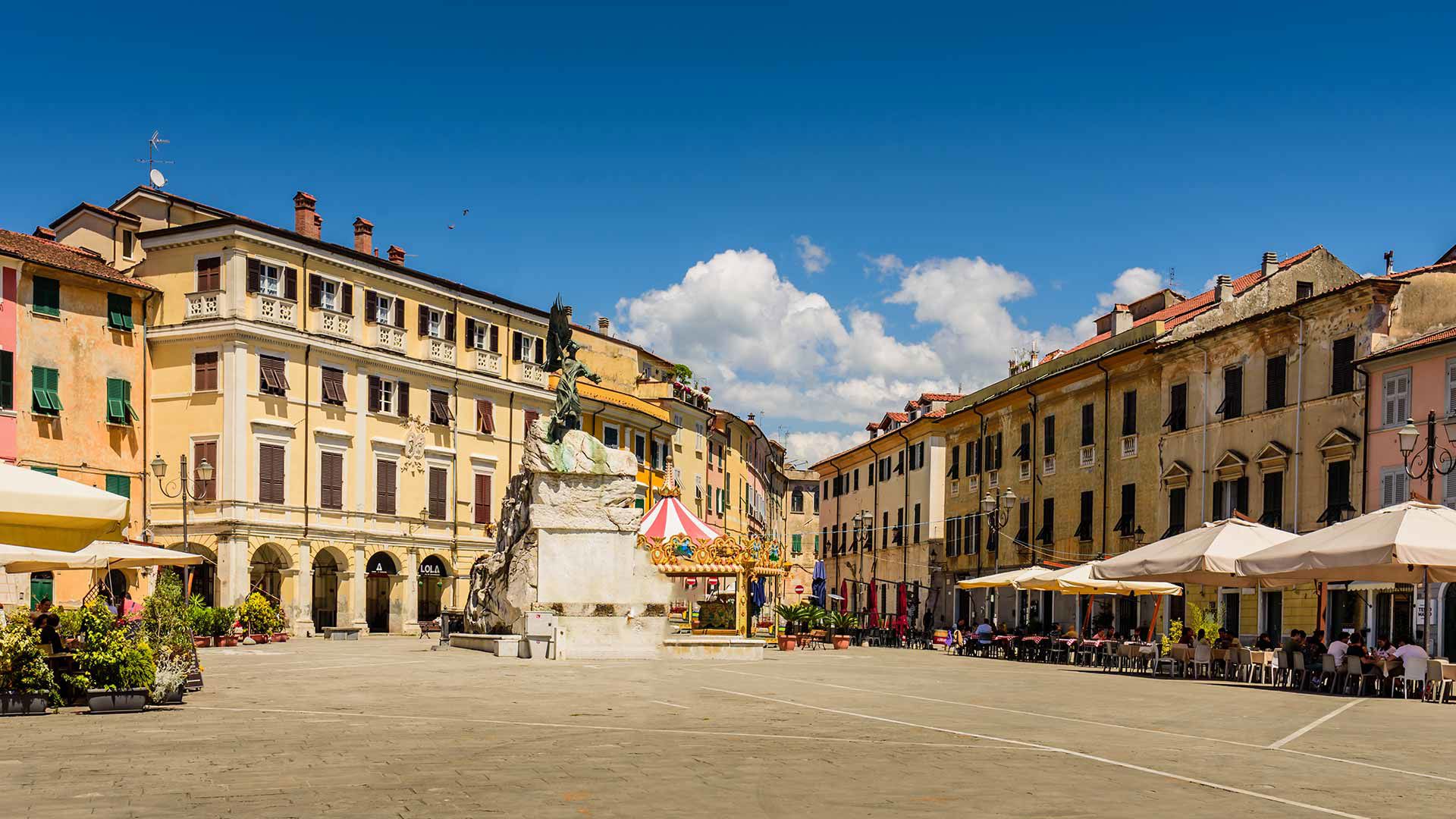
Located in the Magra plain, Sarzana is an elegant medieval town steeped in history and antique charm. With its imposing fortresses (Firmafede and Sarzanello, about 6–9 km from the hotel) and its lively alleys filled with artisan shops, it represents the noble and cultural heart of the Val di Magra, halfway between the sea and the hills.
Located in the historic center of Sarzana, now home to the Museum of Fortresses (MUDEF).
Overlooking the town from above with its imposing towers.
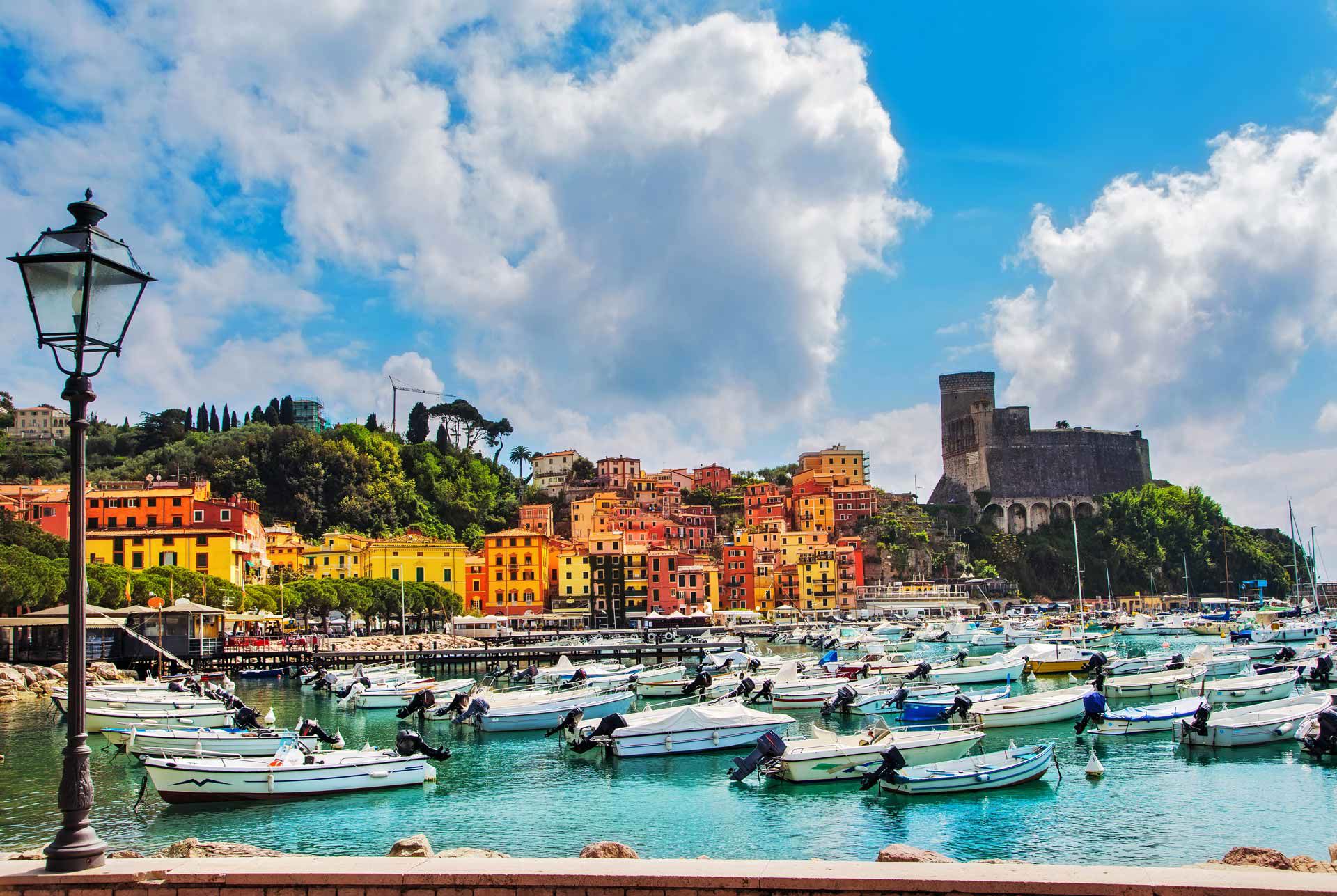
Lerici welcomes visitors with its castle overlooking the “Gulf of Poets,” offering a mix of golden beaches and historic villas.
Just a short distance from Lerici lies Tellaro, an enchanting village perched on a cliff, listed among the most beautiful in Italy for its narrow alleys that open directly onto the sea. Particularly interesting for children is the legend of the “Octopus Bell-Ringer,” which saved the inhabitants from pirates by ringing the church bells; its plaque is still affixed to the church bell tower.
Portovenere is a masterpiece of vertical architecture, famous for its row of colorful houses and the iconic Church of St. Peter, suspended on the rocks between sky and sea. Facing it, Palmaria Island offers wild nature that completes this UNESCO World Heritage landscape.
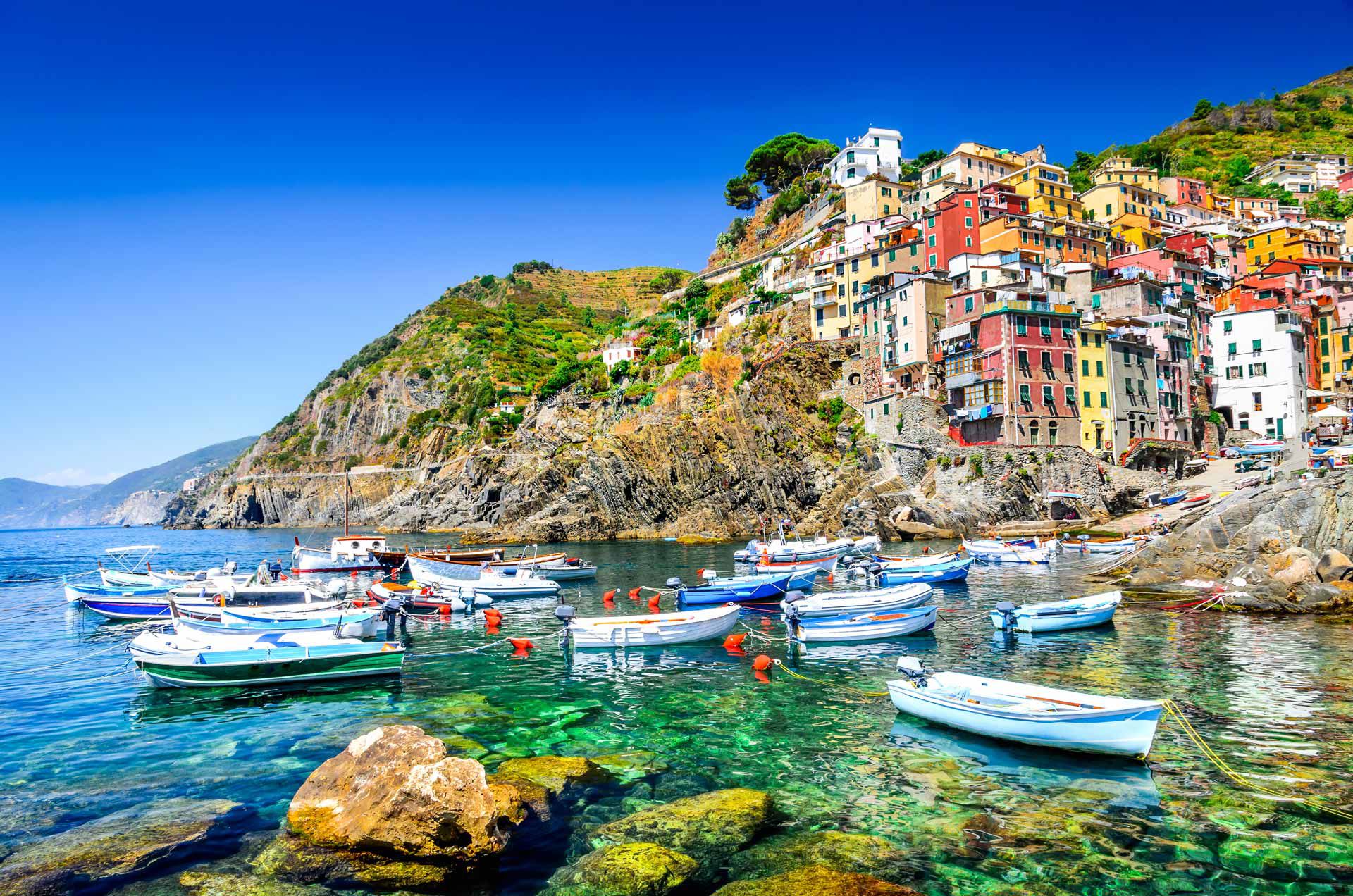
Riomaggiore, Manarola, Corniglia, Vernazza, and Monterosso—five gems set along a rugged coastline dotted with vineyards overlooking the sea. They symbolize Ligurian resilience, where harsh nature meets the charm of seaside villages connected by breathtaking panoramic trails.
One of the best-preserved castles in Lunigiana. It is steeped in legends (it is said to be haunted) and offers guided tours of its frescoed halls and prisons. Dante Alighieri was hosted here to settle a dispute with the Bishops of Luni. Today, visitors can still see what was once his room—converted from an old chapel—now called “Dante’s Room” in his honor.
Famous for the tower of the bishop’s palace and as a renowned area for the production of Vermentino DOC wine.
A small gem perched on a hill, perfect for a peaceful walk among ancient walls and stone gateways.
The remains of the ancient Roman city of Luni, with its amphitheater and National Archaeological Museum, offer a fascinating glimpse into the region’s imperial past.
An important historical stop along the Via Francigena, with archaeological excavations that have uncovered valuable medieval artifacts.
The hotel is located on the edge of this protected area, ideal for hiking or cycling along the Magra River or through the surrounding hills.
a monumental work within the Cinque Terre National Park. This stone staircase of about 1,200 steps descends steeply toward the sea. Once used by farmers to transport grapes, it now offers breathtaking views (and a significant physical challenge) for those wishing to reach the tiny village of Monesteroli, suspended between sky and water.
located in the Apuan Alps, they are the “white heart” of Tuscany.
From here, the marble used by Michelangelo for the David and many of history’s greatest monuments was extracted. Visiting the Torano, Fantiscritti, and Colonnata basins reveals a lunar-like landscape of dazzling white walls and dusty roads traveled by marble workers.
An ancient village perched among the Apuan peaks, world-famous for its Lardo di Colonnata IGP. Its unique flavor comes from aging in marble basins rubbed with garlic and herbs, giving it a distinctive taste and a melt-in-the-mouth texture.
Located in the heart of historic Versilia, devotion to the Madonna of Stazzema is linked to this sanctuary. It is a place of deep reflection, reachable via a forest path. The area is also known for the tragic events of World War II (the Sant’Anna di Stazzema massacre), making it a symbol of memory and peace.
Known as the “Key and Gateway to Tuscany,” it is the historical capital of Lunigiana. A town with medieval and Baroque charm, it is famous for the “Statue Stele,” the “Bancarella Prize” (a prestigious literary award born from the tradition of Pontremoli’s traveling booksellers), and “testaroli” (a typical local dish).